Declining Nutrient Levels in India's Staple Crops Threaten Health
India's staple crops, crucial for daily nutrition, are losing essential nutrients due to climate change.
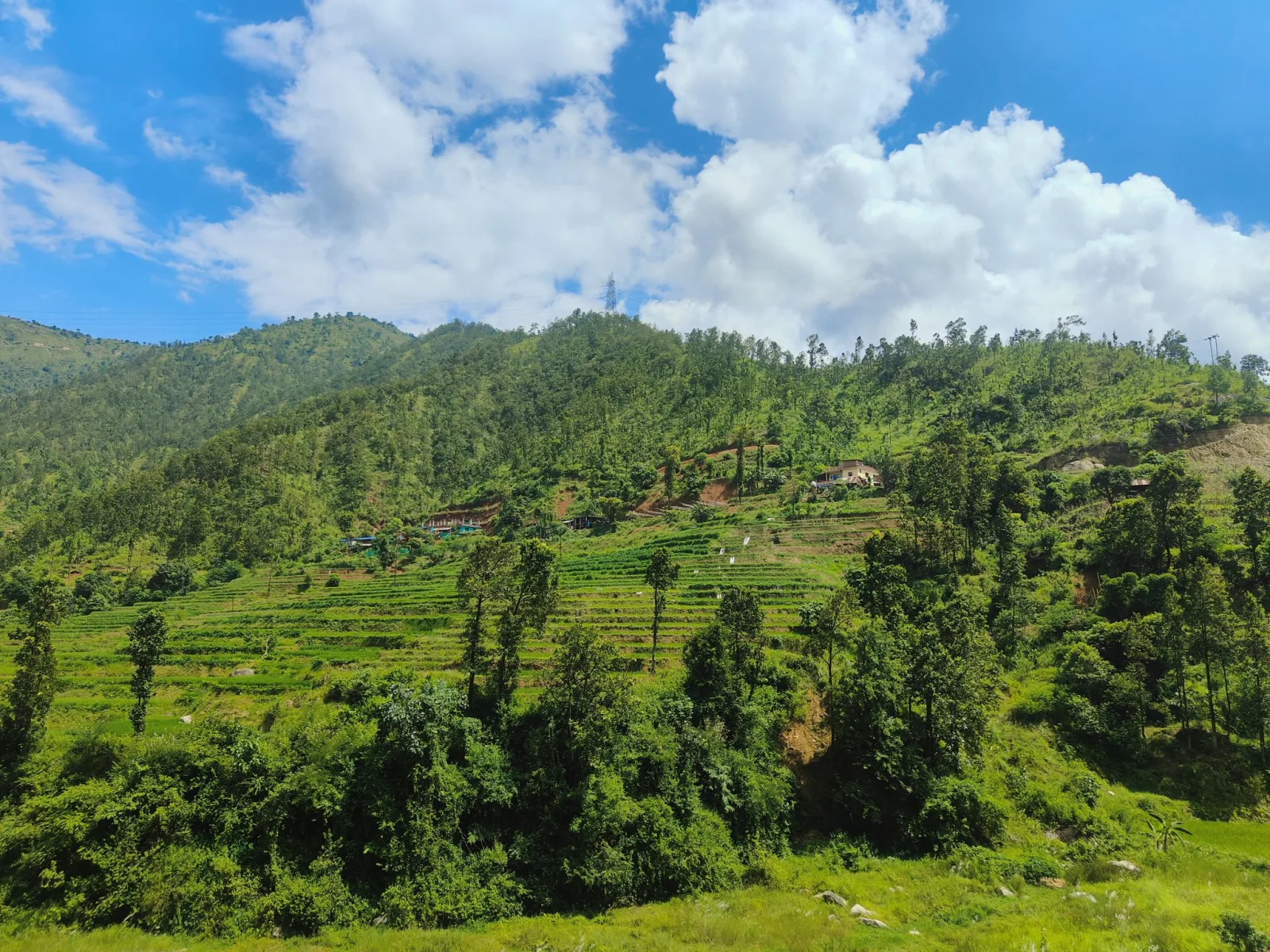
The All-Important Issue of Nutrition
The conversation around climate change often emphasizes rising temperatures, erratic rainfall, and food security. However, a less discussed, but equally pressing issue is the declining nutritional content of our food.
In India, where grains form the bedrock of everyday meals, this shift is particularly alarming. Families depend on staples like rice, wheat, millets, and pulses, trusting that these foods still provide the nourishment they need. Unfortunately, this assumption is increasingly under threat.
Climate's Hidden Impact
Research worldwide indicates that higher levels of atmospheric carbon dioxide and shifts in climatic conditions can lower the amounts of essential nutrients—such as iron, zinc, and proteins—in crops. Compounding the situation are issues like soil degradation, monocropping, erratic weather patterns, and a declining diversity of soil organisms, all of which result in crops that may fill bellies but lack vital nutrients.
“It directly affects public health.”
This less visible consequence of climate change is crucial to acknowledge. It remains largely unrecognized yet has a significant impact on public health, especially in a country already grappling with a high prevalence of micronutrient deficiencies. Anaemia poses a significant health risk for many women and children, and without addressing the ongoing decline in nutritional quality of staple foods, this problem may exacerbate.
The Farmer's Experience
Over the past few years, I have engaged with farmers across various regions in India. A clear pattern has emerged: farmers are adapting each season by altering sowing dates, managing unpredictable rainfall, and confronting new pest challenges. Yet, the importance of nutrition often gets overlooked in these discussions. Agricultural practices have traditionally rewarded crop yields at the expense of nutrient density—a trend that needs to shift.
It is vital to evolve our perspective on agricultural objectives. The future should not focus solely on kilograms produced per hectare but also on the nutritional output from the crops cultivated.
Rebuilding Nutrition in Agriculture
Our aim should be to enhance the nutrient content of the crops themselves rather than relying on fortification after harvest. Emphasizing the use of naturally biofortified seeds that can absorb and store higher levels of vital nutrients is crucial. Additionally, adopting farming practices that promote soil health and nutrient availability will lead to healthier crops.
This approach involves cooperating with nature rather than attempting to rectify nutritional deficits at industrial food processing stages.
A Collective Effort
It’s important to note that biofortification alone is not a panacea. A comprehensive strategy for climate-resilient agriculture must include improved water management, regenerative farming techniques, soil health enhancements, crop diversity, and support for farmers—all playing essential roles in nurturing nutrient-rich crops.
Collaboration will be key moving forward. All stakeholders—plant breeders, agricultural scientists, policymakers, food companies, and farmers—must shift focus from merely producing food to ensuring nutrient-rich production.
“The goal is not just to feed a growing population, but to nourish one.”
The challenges posed by climate change necessitate a new definition of agricultural resilience. It’s not enough for crops to simply withstand changing weather; they must continue to provide the nutrients our bodies require.
In conclusion, the future of food must center on producing high-quality nutrition alongside quantity. As someone invested in the intersection of agriculture and nutrition, I am optimistic. We possess the knowledge, the dedicated farmers, and the needed innovations to facilitate this transition. What remains is to cultivate greater awareness and unified determination.
If climate change is detracting from the nourishment our food provides, it’s our duty to actively work towards restoring it.