Empowering Youth in Eastern and Southern Africa for Climate Resilience
Discover innovative climate education strategies for youth in Eastern and Southern Africa, fostering resilience and empowering action.
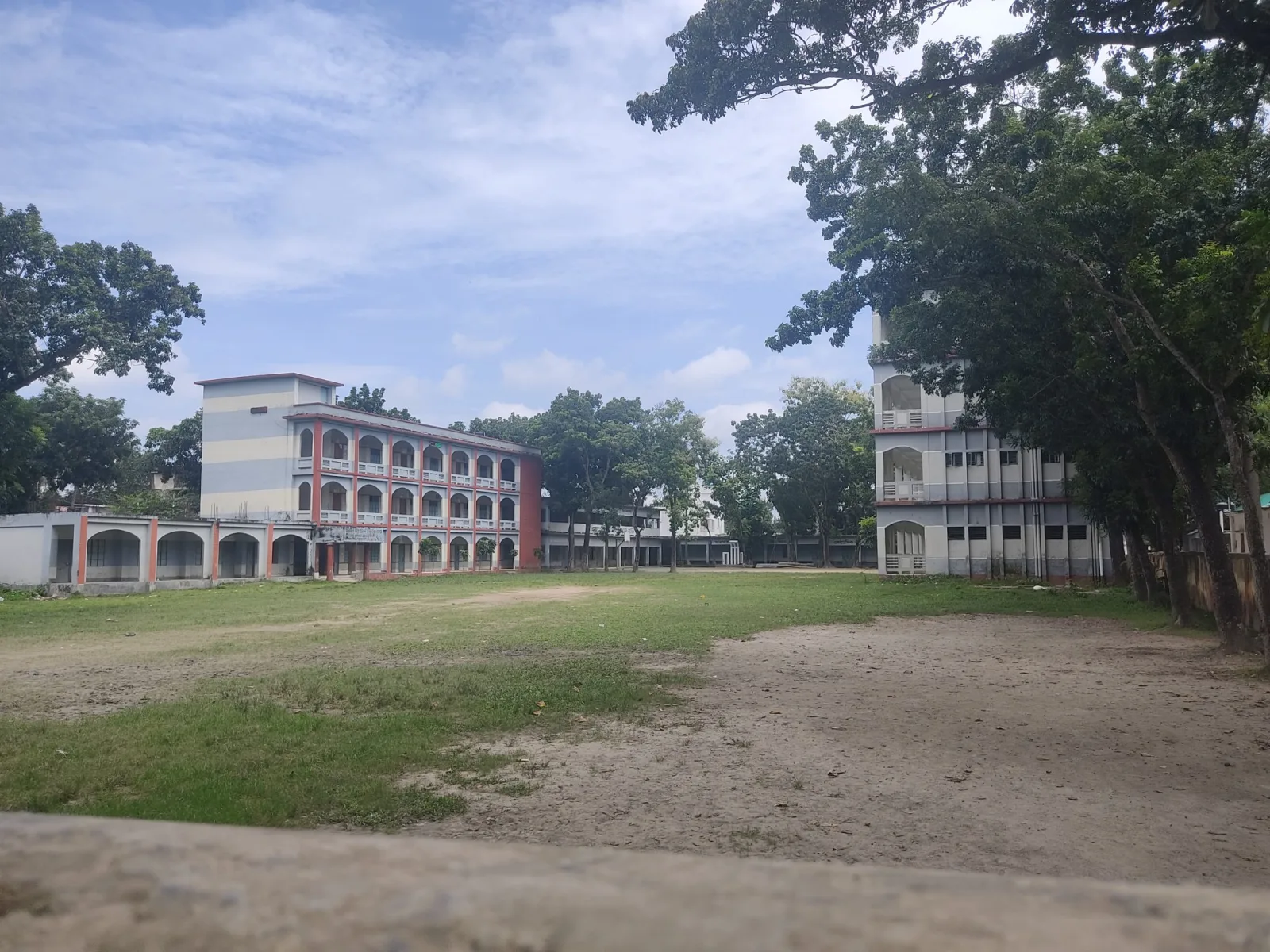
Education plays a crucial role in building a climate-resilient future, especially in Eastern and Southern Africa (ESA), where climate-related challenges are increasingly impacting daily life. Young people are particularly vulnerable as these climate shocks disrupt their education and entrench inequalities, creating barriers to future opportunities.
The Power of Climate Education
To address these pressing issues, a collaborative research initiative spanning two years has taken place, involving CARE Zimbabwe and the Center for Universal Education (CUE) at the Brookings Institution, along with seven local organizations focused on climate education. This project aimed to transform the concept of climate education from mere theory into engaging and practical experiences for the youth.
Understanding the Challenges
Through engagement with students, educators, and community stakeholders in countries like Kenya, Malawi, Rwanda, South Africa, and Zimbabwe, several key insights were gained. It became clear that adolescents are keenly aware of climate change and eager to contribute to solutions. However, they frequently encounter obstacles such as limited access to resources and opportunities.
Teachers show a strong commitment to climate education, yet many face challenges due to a lack of adequate training and teaching materials. While government and educational partners are developing frameworks for climate education policy, gaps remain in effective implementation.
Practical Strategies for Engagement
In response to these challenges, the research identified a range of practical strategies to enhance climate education. These include:
- Low-tech initiatives like climate clubs and school gardens
- Creative arts such as drama to illustrate climate challenges
- Medium- and high-tech solutions including WhatsApp microlearning sessions
- Online Eco-Schools courses offered by the Foundation for Environmental Education (FEE)
Additionally, the toolkit emphasizes the importance of ongoing teacher development, active policy engagement, and a 90-day roadmap designed to create momentum for climate education programs.
Connecting Knowledge to Action
The toolkit outlines that the youth are ready to engage with climate issues when education is experiential and culturally relevant. Schools must serve as bridges, linking pure academic learning to actionable community engagement, thereby positioning young people as agents of change.
By fostering climate literacy and promoting green skills, we not only prepare adolescents for a challenging future but also invest in a more equitable and resilient society. When educational frameworks support active learning with accessible resources, students are more likely to thrive and innovate in the face of climate change.
A Call to Action
Schools are recognized as trusted spaces for imparting climate education, and their effectiveness can be greatly enhanced through supportive technologies, bolstered teacher support, and robust community partnerships. A successful approach in areas with limited connectivity combines various methodologies—such as climate clubs, play-based learning, local media engagement, and maintaining school gardens—with structured teacher training and access to offline content.
This resource calls upon educators, policymakers, and youth leaders to utilize the findings and strategies in this toolkit as a foundation for fostering collaborative efforts that can transform schools into proactive centers for climate action. Together, we can ensure that every student is equipped to navigate and thrive in our rapidly changing environment.