Future of Agricultural Technology: Growth and Opportunities Ahead
Explore the growth potential of agricultural technology from 2026 to 2035, focusing on innovations in farming practices.
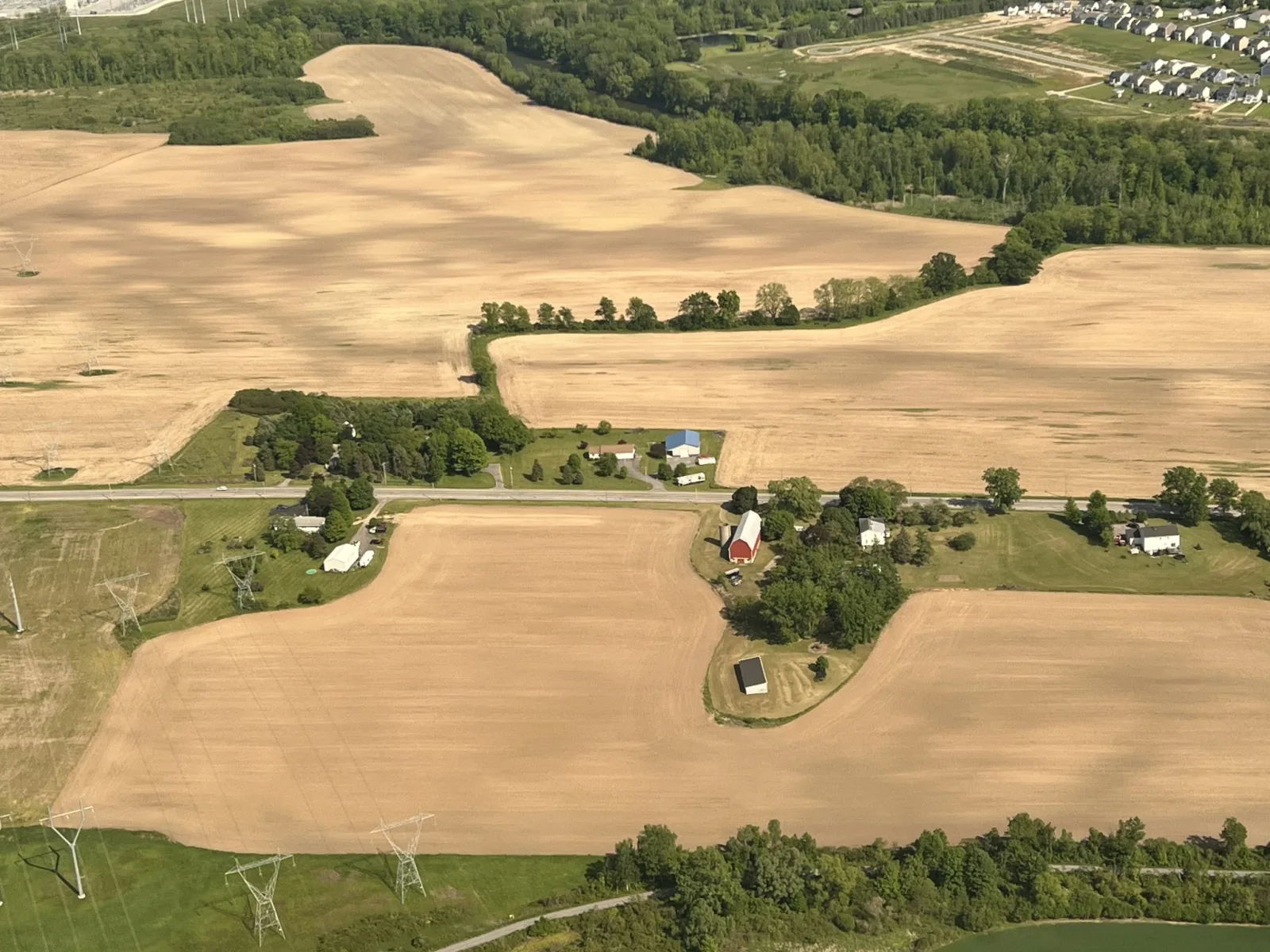
Prospects for Agricultural Technology
The agriculture technology sector is poised for significant advancements by 2035. The latest trends highlight the rise of digital farming, integration of artificial intelligence (AI), autonomous machinery, and sustainability measures as key drivers of growth. As precision agriculture and internet of things (IoT) sensors become more advanced, farmers can expect enhanced decision-making capabilities, reduced waste, and better resource management.
Regional Opportunities
Emerging markets are set to unlock major opportunities as governments work to bolster digital infrastructure and encourage technology integration. For instance, AI-enhanced crop monitoring, intelligent livestock feeding systems, and aquaculture water-quality sensors are expected to play a crucial role in the new era of farm management. The growing demand for climate-smart practices, alternative proteins, and bio-based products will guide investment strategies and product development efforts.
Workforce Evolution
The agricultural workforce is evolving, creating a rising need for digital skills, technical training, and specialized tech roles. Firms that offer flexible, scalable, and affordable solutions will have a competitive edge, catering to both small farms and large agribusinesses.
Strategic Insights for Organizations
This report highlights opportunities for optimizing operations by integrating sustainability and scalability into business strategies. Agribusinesses, tech developers, investors, and policymakers can leverage these insights to weigh the environmental and economic impacts of smart agriculture technologies. Additionally, organizations can identify solutions that maximize resource efficiency, decrease emissions, boost yields, and ensure adherence to regulations.
In planning for growth and market outreach, there are significant prospects to enhance market visibility, facilitate adoption, and connect with key customer demographics. Employing data-driven marketing, forging strategic partnerships, and collaborating with research entities will aid companies in broadening their market influence and hastening the rollout of precision farming, automation, and AI analytics.
Competitive Landscape
The report undertakes a competitive analysis focusing on infrastructure preparedness, regulatory environments, technology adoption rates, and emerging innovation sectors. Such insights allow stakeholders to benchmark market players, spot growth opportunities, cultivate strategic alliances, and sync investments with global sustainability goals.
Research Methodology
The study is based on primary research conducted through interviews with experts from the agricultural technology landscape, including key executives and leaders in technology and innovation. These findings validate market estimates, product segmentation, and landscape evaluations.
- Validation and triangulation of market data and charts
- Review of qualitative findings and segmentations
- Competitive landscape assessment
- Geographic market share analysis
- Category-wise market estimate validation
Secondary research was also conducted using sources like company websites, annual reports, and databases including Bloomberg and the U.S. Department of Agriculture (USDA). This additional data assessed the industry value chain, revenue models, leading participants, and technology applications.
Key Topics Explored
The report discusses a variety of topics such as:
- Current state of agricultural technology and innovations in crop production
- Technological advancements in livestock management
- Emerging trends in aquaculture and forestry
- Future investment environments and challenges
- Strategic recommendations for stakeholders
Conclusion
The insights from this study offer a comprehensive look into the agricultural technology landscape and underscore the potential growth trajectory through 2035. By leveraging innovative solutions, stakeholder collaboration, and strategic planning, the agricultural sector can transition towards more sustainable and efficient practices.