Incorporating Science into Elementary Education with Confidence
Explore how to prioritize science education in elementary classrooms while enhancing teacher confidence.
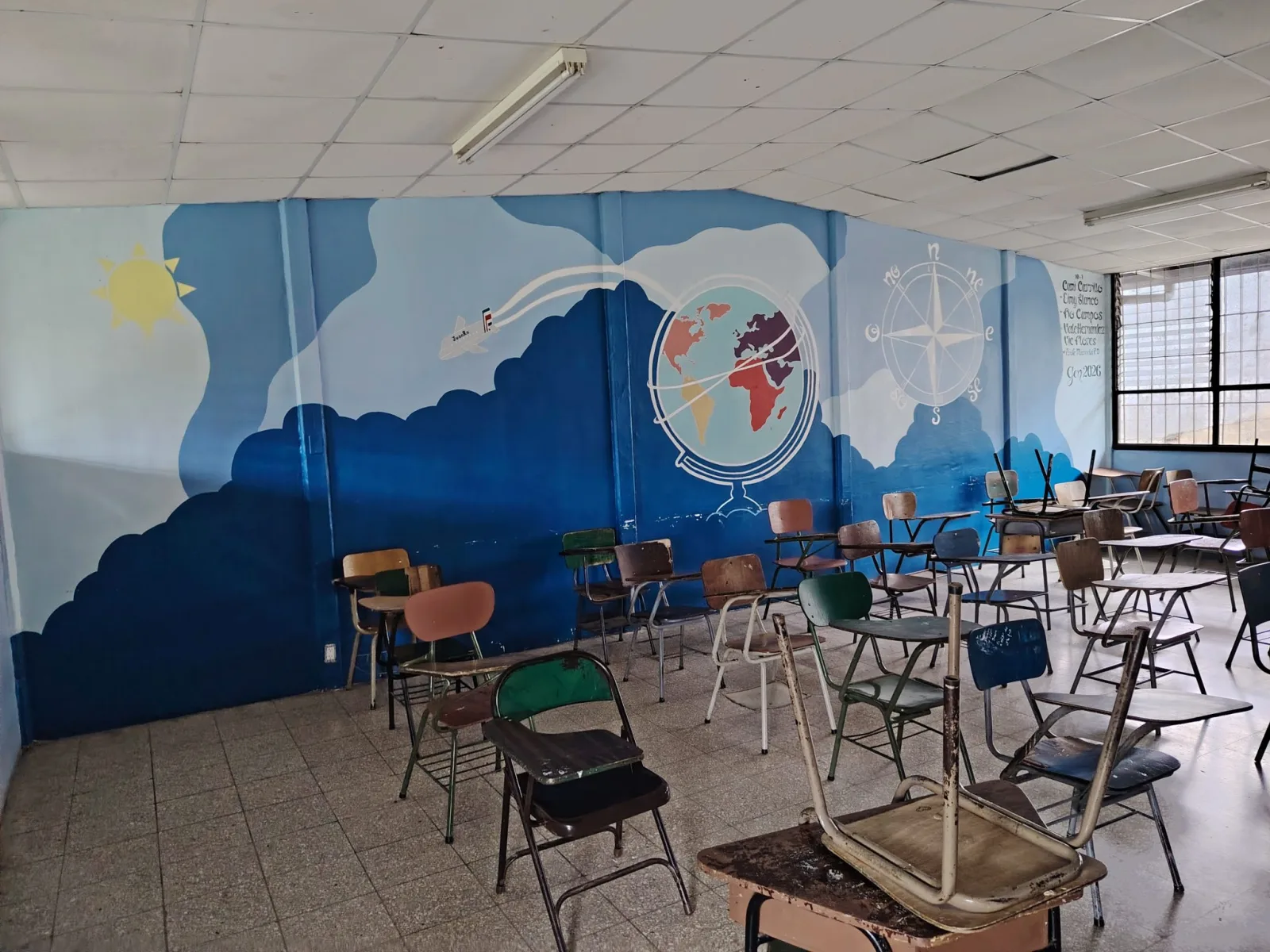
As we settle into the school year, many educators experience what one elementary student aptly termed the "October heebie-jeebies," a feeling of fatigue and stress that emerges as enthusiasm starts to wane. Unfortunately, science often becomes the first subject to be sidelined to prioritize subjects perceived as more urgent, like English language arts (ELA) and math. This pressure, coupled with some teachers’ lack of confidence in teaching science, leads to a diminished focus on vital scientific learning.
Hands-On, Inquiry-Based Learning
Active learning is most effective when it is hands-on, playfully engaging, and guided by students’ natural curiosities. Rather than being considered a reward for completing other tasks, science education should be integral to the curriculum. Research in the science of learning and development (SoLD) consistently shows that when students engage deeply through inquiry, they not only learn more but retain knowledge over time.
Creating an Inviting Physical Environment
Visualize the classroom as a multifaceted environment that includes physical space, time allocation, and emotional atmosphere. Each of these dimensions plays a role in ensuring science education receives the attention it deserves.
The physical aspect is particularly important. A classroom that prioritizes science communicates its significance to both teachers and students. While it’s great to have modern materials, even simple, repurposed items can enhance a science center. For instance, I set up a dedicated science area filled with magnifying glasses, balances, and other manipulative tools. Over time, my reputation attracted unique contributions like shed snakeskins and fragile eggs from students and fellow teachers.
Moreover, I often visited the public library, borrowing numerous books to provide students with a wealth of literary and informational resources aligned with our science topics. A well-placed science bookshelf serves multiple purposes; it stores materials, provides surfaces for exploration and experimentation, and can help define different inquiry zones within the classroom.
Maximizing Instructional Time for Science
Having adequate materials and space isn't enough if teachers perceive a lack of time for science instruction. One effective strategy is to integrate science lessons into ELA and math periods. This interdisciplinary approach not only maximizes learning but also demonstrates how subjects interconnect.
For example, a third-grade teacher conducted an ELA lesson using an informative text about honeybees as the basis for a science-related activity. Students summarized themes and details by building models with Lego, allowing for deeper engagement with both subjects.
In my first-grade classroom, we explored light and shadows by tracing shadows with chalk outside, measuring them, and documenting our findings in science journals. Activities like these illustrate how combining disciplines can enrich learning experiences and foster scientific awareness.
Addressing Teacher Confidence in Science
Improving the physical and time dimensions is only part of the solution; boosting teachers' confidence in teaching science is equally essential. This challenge often requires vulnerability and reflection on the part of educators.
Building scientific knowledge can help alleviate educators’ insecurities, but this often requires more than just a one-time workshop. Through my experience as an instructional coach, I found that sustained collaboration—such as co-planning lessons, teaching together, and reflecting on classroom experiences—significantly enhances a teacher’s sense of capability in science education.
Strategies like lesson study, where a small group collaborates on a lesson plan, can fortify both content knowledge and teaching confidence. Such experiences allow teachers to learn from one another, fostering a supportive learning environment.
Furthermore, school and district leaders must recognize the need for deeper learning. Teachers benefit from institutional support that prioritizes science education and allows them to slow their pace when necessary. By understanding and reinforcing the principles of SoLD, administrators can help alleviate pressures, creating a setting where high-quality science instruction thrives.
Taking Small Steps Towards Change
Teachers and those who support them don’t need to entirely revamp their strategies overnight. It’s essential to start small, observe what works, and gradually build on successful practices. A key measurement of progress is whether the science instruction feels more engaging and authentic for both educators and students.
By focusing on these elements, educators can create a classroom atmosphere where science flourishes, ultimately enriching the educational experience for all students.