Island Leaders Demand Urgent Climate Action at UN Summit
At the UN climate summit, leaders from vulnerable island nations stress the dire need for urgent climate action.
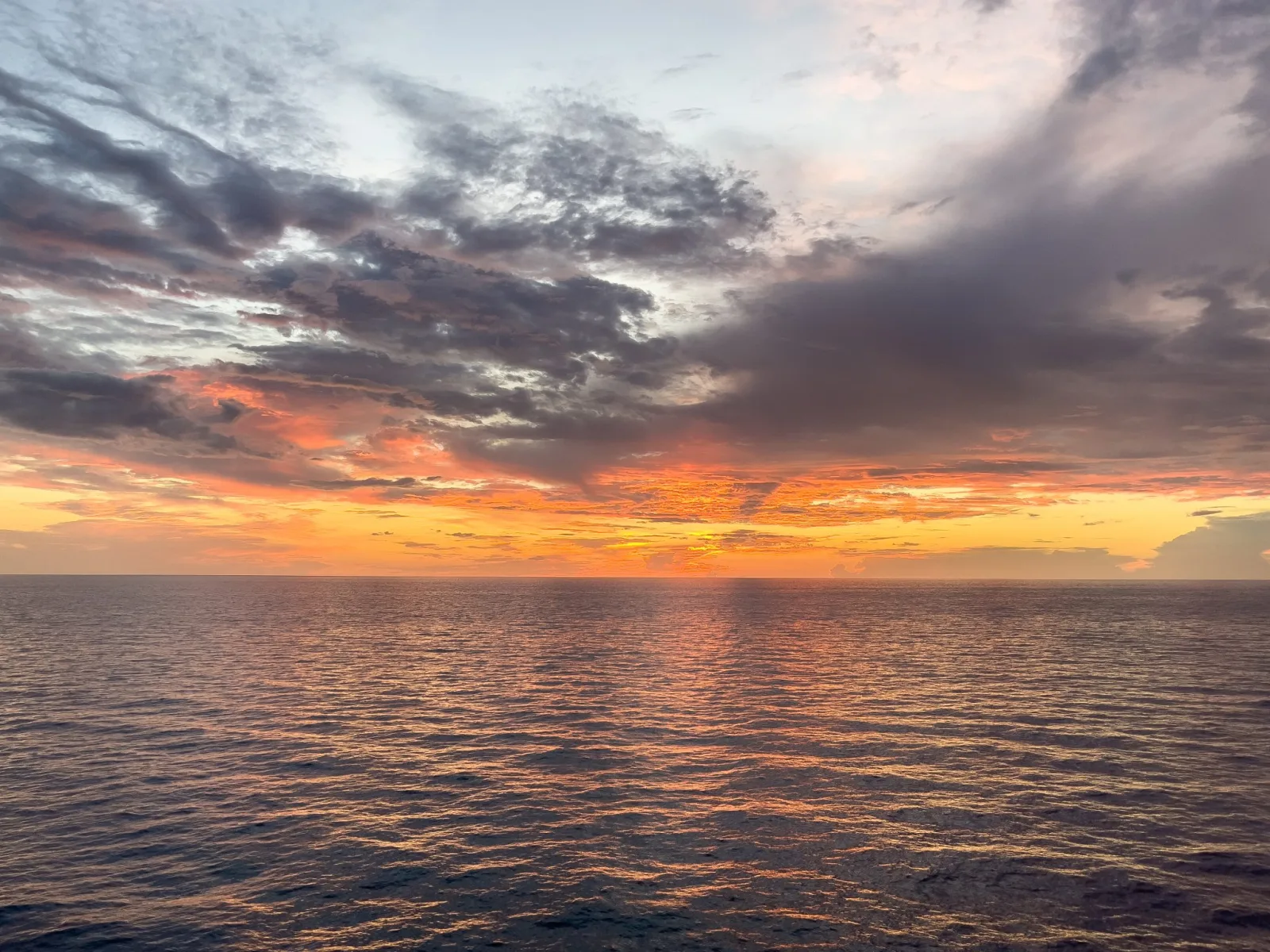
During the recent United Nations climate conference in Antalya, Turkey, leaders from small island nations expressed an urgent call for action to combat the alarming impacts of climate change. These nations, grappling with existential threats such as rising sea levels and extreme weather, emphasize that the stakes have never been higher.
A Call to Move Beyond Talks
Alix Sebastien Pillay, vice president of the Seychelles, asserted that discussions alone are insufficient. He highlighted the precarious situation of the Seychelles, an archipelago that has contributed minimally to global warming, yet also faces severe climate-related damages. “For Seychelles, climate action is not simply an environmental priority; it is a matter of survival,” he stated.
Stalled Progress and Grim Assessments
A newly released report paints a troubling picture of global climate action. It reveals that efforts to mitigate climate change have stagnated over the last five years, with no significant advancements following the 2015 Paris Agreement. The analysis from Climate Action Tracker indicates a disturbing trajectory toward exceeding the critical threshold of 1.5 degrees Celsius (2.7 degrees Fahrenheit) of warming.
Dalton Tagelagi, Prime Minister of Niue, shared dire warnings about the implications of inaction. He noted alarming increases in sea temperatures due to both climate change and the ongoing El Niño phenomenon. “Sea temperatures in the central Pacific are more than three degrees above normal,” he pointed out, signifying a dire signal for the future if emissions aren’t significantly reduced.
Climate Disasters and Financial Assistance
The impact of extreme weather is palpable, as evidenced by the catastrophic floods in Pakistan last year that submerged a third of the nation, leading to substantial loss of life and over $30 billion in damage. Pakistani Prime Minister Shehbaz Sharif underscored that “climate change knows no borders” and called for enhanced financing to assist vulnerable nations in coping with disasters.
Deficiencies in Global Participation
Despite the urgent discussions, the absence of prominent polluting nations complicates the negotiations. The United States, notable for being the second-largest emitter of greenhouse gases, did not participate in the summit's main activities following its withdrawal from the climate negotiations. Yet, state leaders from California marked their presence, reaffirming their commitment to climate action.
California Governor Gavin Newsom criticized the lack of commitment from national leaders, particularly targeting former President Trump's policies. This sentiment reflects a growing frustration among climate advocates who feel that adequate measures are not being implemented to combat the crisis.
The Role of Global Leaders and Activists
Brazil's President Luiz Inácio Lula da Silva, speaking alongside climate activists, asserted Brazil’s leadership role in environmental strategies and called for more investments in conserving tropical forests worldwide. Notably, climate activist Greta Thunberg also voiced concerns over leaders' progress, reminding attendees that “the planet is not dying, it is being killed” by those expected to intervene.
United Kingdom’s Response
The UK announced the appointment of a special envoy to address security issues posed by climate change, marking a proactive step toward addressing these challenges. British Prime Minister Andy Burnham stressed the immediate nature of the climate crisis, emphasizing that it affects lives and livelihoods globally.
However, climate activists have urged a closer alignment of the UK’s policies with the urgency expressed, reinforcing that mere words will not suffice in addressing the crisis.
This summit not only reiterates the need for immediate action but also highlights the pressing requirement for collaborative global efforts to support the most affected regions. As leaders from these vulnerable nations continue to advocate for their survival, the rest of the world must respond with a sense of urgency and responsibility.