Nourishing Pasta Toppings for Satiety and Blood Sugar Control
Discover nine nutritious toppings to enhance your pasta dishes, keeping you full and balancing blood sugar.
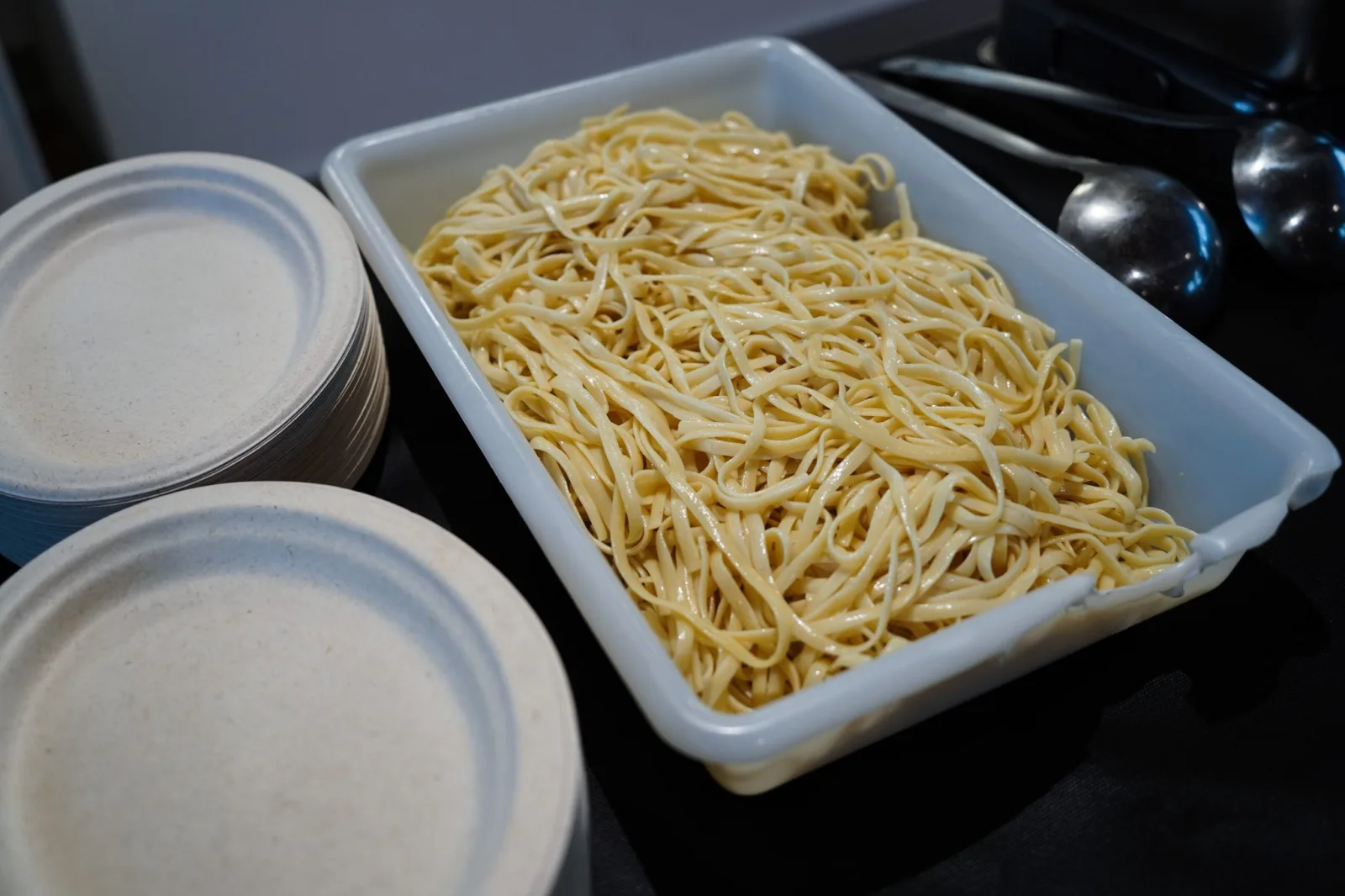
Pasta is a beloved staple in many diets around the world. Its exceptional versatility and delightful taste make it a go-to meal option for people of all preferences. However, it often faces criticism for its carbohydrate content, leading some to overlook its benefits.
Fortunately, the healthier pasta market is thriving, offering options rich in protein and nutrients. From chickpea and black bean pasta to whole grain varieties, these alternatives boast numerous health advantages over traditional durum semolina wheat pasta.
Understanding Pasta's Nutritional Value
Despite the rise of these alternatives, experts contend that standard pasta shouldn’t be shunned. “Don’t fear pasta. It can be a wholesome element in your diet and doesn't need to be excluded,” explains Dr. Sibylle Kranz, a registered dietitian. According to Frances Largeman-Roth, another registered dietitian, pasta is a valuable base for balanced meals.
Regular enriched pasta is a source of energy-providing carbohydrates, as well as essential nutrients like folate, iron, thiamine, and riboflavin. Additionally, it has some resistant starch, which ferments in the colon and acts like fiber, promoting a feeling of fullness. Refrigerating cooked pasta can even boost its resistant starch content further.
While enjoying pasta, moderation is crucial. The recommended serving size varies by pasta shape, so it’s essential to be mindful of portions.
Enhancing Your Pasta with Nutritious Toppings
The toppings you choose can dramatically influence the nutritional profile of your pasta dish. Expert nutritionists agree that adding whole foods—think lean proteins, vegetables, legumes, and healthy fats—can transform your meal. “Incorporating these food groups makes pasta more satisfying,” says Largeman-Roth.
Pasta alone doesn't contain all the essential amino acids needed for a complete protein, so combining it with toppings rich in these nutrients is wise. Furthermore, adding protein and fiber can slow digestion and help maintain stable blood sugar levels, curbing hunger in the process.
9 Healthy Pasta Toppings to Consider
- Shrimp: A lean protein source, shrimp provides around 25 grams of complete protein per serving—just for 100 calories. It's a quick-cooking seafood option known for its health benefits, such as supporting thyroid health.
- Lentils: An excellent plant-based topping, lentils are rich in protein and fiber—18 grams of protein and 16 grams of fiber per cup cooked. They make a fantastic substitute for meat in dishes like bolognese.
- Cruciferous Vegetables: Options like broccoli and Brussels sprouts are packed with fiber, vitamins, and antioxidants—making your pasta meal more filling and nutrient-dense.
- Nuts: Whether added whole or as a sauce like pesto, nuts provide healthy fats, protein, and flavor, enhancing the overall nutritional quality of your dish.
- Greek Yogurt: This thick, creamy alternative to heavy sauces contains about 15 grams of protein per serving and is great for achieving a creamy texture without excess calories.
- Tinned Fish: Canned options like tuna and salmon are budget-friendly and high in protein and omega-3 fatty acids, important for heart and brain health.
- White Beans: Blended white beans offer a creamy texture as a dairy substitute, along with fiber and plant protein, supporting digestion and blood sugar balance.
- Dark Leafy Greens: Spinach, kale, and Swiss chard enhance pasta dishes with additional fiber and nutritional content, making them even healthier.
- Squash: Varieties like butternut or summer squash introduce fiber and beta-carotene into dishes, promoting digestive health while offering flavor and texture.
Tips for Healthier Pasta Choices
While there's no need to avoid any pasta topping entirely unless there's an allergy, some should be consumed more sparingly. Rich cream-based sauces and processed meats can be high in saturated fats and cholesterol.
Eating pasta can fit into a balanced diet, particularly when paired with nutritious toppings. “I encourage daily pasta consumption, but with plenty of variety in carbohydrate sources,” advises Largeman-Roth, suggesting alternatives like brown rice or quinoa to rotate in regularly.