Prioritizing Seafarer Insights in Maritime Tech Development
A new study emphasizes the importance of incorporating seafarer feedback in maritime technology design to enhance safety and efficiency.
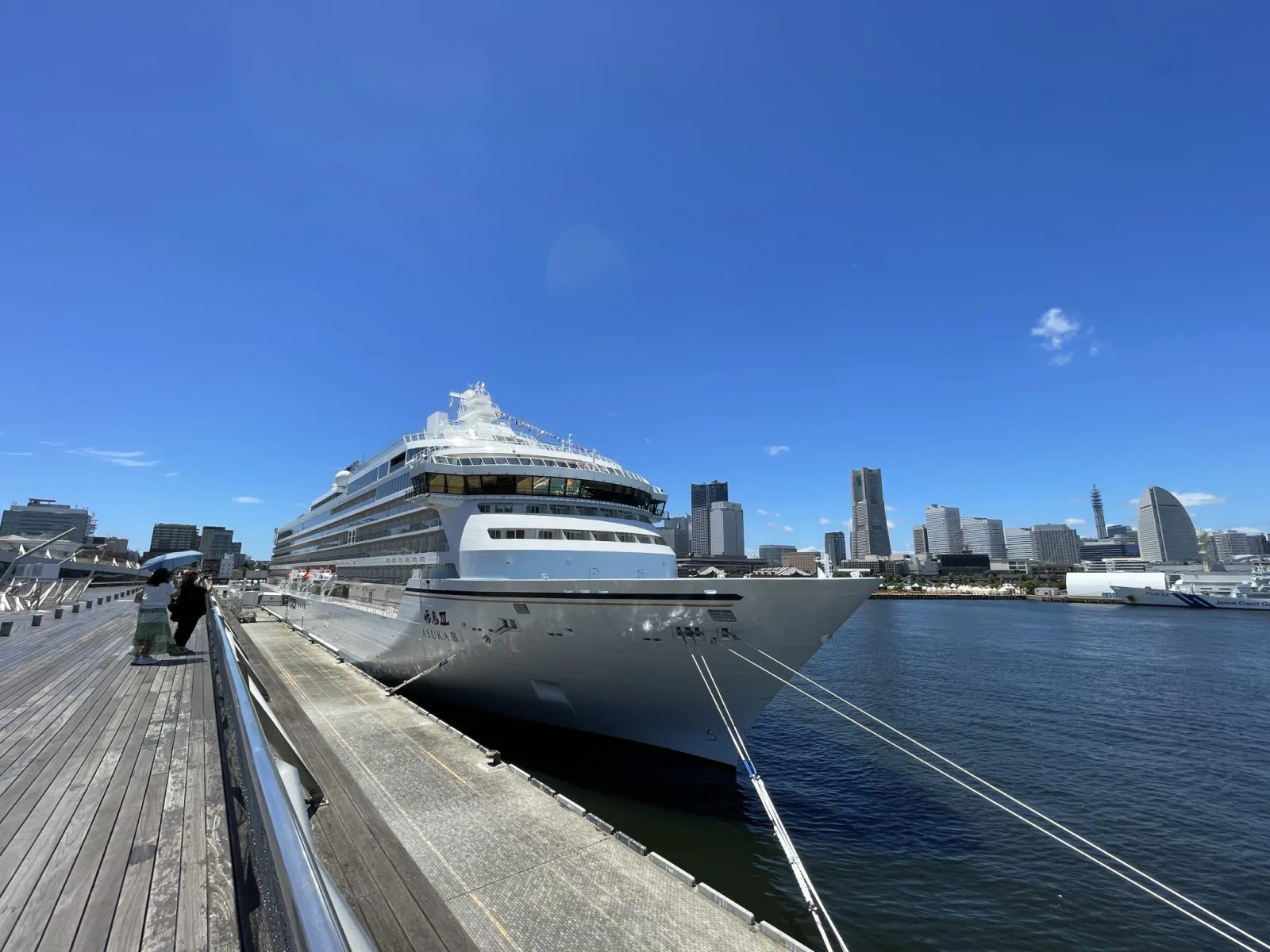
Recent research indicates that the relationship between technology and maritime operations is complex. It suggests that while technology can enhance safety and efficiency at sea, it often shifts rather than eliminates risks. This critical finding comes from a report published by The Nautical Institute, in collaboration with the Lloyd's Register Foundation, revealing the need for the maritime industry to prioritize seafarers' insights.
Understanding the STEER Project
The report titled The evidence, the gaps and the way forward marks a milestone for the STEER Project, which focuses on examining the influence of technology on seafarers. It amalgamates academic research, industry data, casualty reports, and direct interactions with maritime professionals.
Significance of Human Factors in Safety
A significant takeaway from the research is the impact of human factors on maritime safety. Analysis of 471 maritime casualty cases from 2005 to 2025 revealed that 43.1% contained human-related causes linked to equipment and workplace conditions. In many instances, the technology used was not the primary failure point. Deeper issues, such as inadequate training and poor procedural implementation, played a significant role in these incidents.
Among the cases where technology was identified as a direct contributing factor, 89% experienced failures in safety management, while 77% faced inadequate resources. This indicates a need for more robust support systems rather than merely focusing on technical advancements.
The Role of Seafarers in Technology Development
According to Capt. David Patraiko, Director of Projects at The Nautical Institute, the true benefits of technology cannot be evaluated solely on technical capabilities. He emphasized the importance of considering how these systems perform in actual operations and their impact on people at sea. This is where the initiative #ListeningToSeafarers comes into play. By involving seafarers in the design and implementation of technology, the industry can better ensure that new systems enhance safety rather than create additional risks.
The report clarifies that seafarers generally do not resist technological advancement; their concerns often stem from poorly designed systems, insufficient training, and inconsistent user interfaces. As the report indicates, casualties related to technology often arise from misuse due to misunderstanding rather than mechanical failures.
Challenges of Automation and Connectivity
As digitalization and automation evolve, they alter the nature of workloads for crew members. The research warns that poorly integrated systems can lead to added administrative burdens and cognitive overload. Increased automation necessitates more vigilance in monitoring systems and knowing when to apply professional judgment effectively.
Additionally, while enhanced connectivity may improve seafarers' access to family and support services, it also raises concerns about privacy, constant availability, and work-life balance.
Future Directions and Recommendations
The STEER Project is set to continue gathering evidence and seafarer experiences to guide the design of maritime technology. The initial findings highlight the necessity for closer seafarer involvement in technology development, improved training specific to vessels, and a strong focus on human factors when integrating new systems.
Furthermore, the report points out significant knowledge gaps regarding new technologies like AI and remote monitoring, as well as the longer-term impacts of automation on skills and decision-making in smaller vessels and less represented demographics.
Conclusion
The central theme of the study underscores that while automation can effectively assist human capabilities, it cannot fully replace them. Moving forward, the maritime industry must consider how to leverage technology to support safe operations and enhance the well-being of seafarers. Engaging those who work at sea is not just beneficial; it is essential for achieving a safer and more sustainable maritime future.