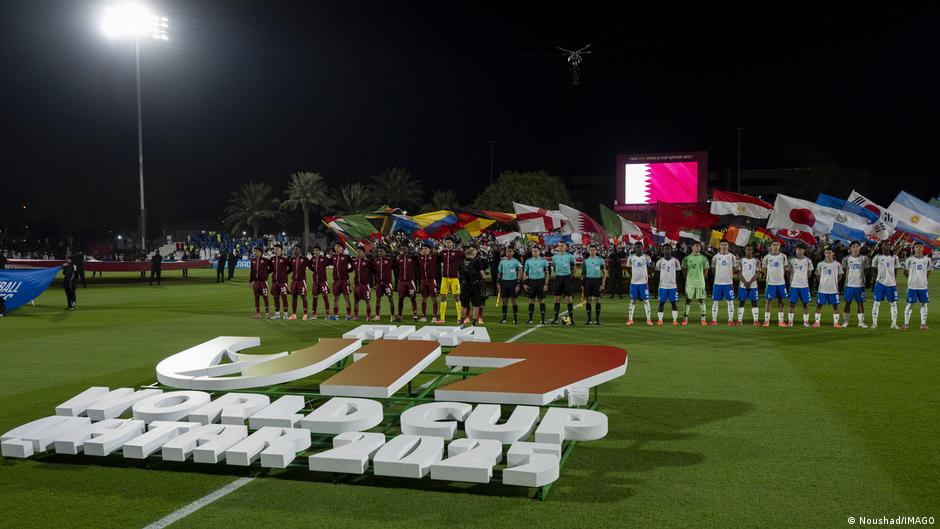

The U-17 Men’s World Cup has long been a stage for emerging talent and intense scouting. The 2025 edition, however, matters for a different reason: FIFA is using it to pilot a 48-team format—the same expansion planned for the senior tournament in 2026—and it kicks off a new annual cycle of under-17 competitions, with Qatar hosting five consecutive editions.
FIFA figures, including former goalkeeper and advisor Pascal Zuberbühler, have framed the change as the start of a new global rhythm for the game. Whether that description is overstated or accurate, the combination of larger fields and more frequent youth tournaments raises concrete concerns about how much football is being asked of adolescent bodies and what repeated hosting means for Qatar’s international sporting reputation.
Tight schedule, real injury risk
Medical experts warn the calendar can be harsh on 17-year-olds. Sean Williams, a specialist in sports injury prevention and growth at the University of Bath, notes that players who reach the final could play as many as eight matches in roughly three and a half weeks—typically a game every three to four days. For developing athletes that limited recovery window can be taxing.
Preparation levels vary widely between teams. Players from established football nations usually arrive with heavy cumulative training and match loads from academies, domestic youth competitions and international fixtures; they also tend to have access to high-quality strength and conditioning and medical support. That background can be protective but also means these players may carry pre-existing fatigue into the tournament.
Conversely, many nations representing football’s emerging regions—teams that might not have qualified under the old 24-team format—often have lower recent match exposure and less sophisticated load-monitoring systems. For those players, the tournament can represent a sudden spike in high-intensity matches, travel demands and exposure to heat, and abrupt increases in load are a recognised risk factor for injury.
Adolescents also have specific biological vulnerabilities. Williams highlights apophyseal sites—growth-plate attachment areas around regions such as the pelvis—that may not be fully ossified in late teenagers, making them more susceptible to injury when match loads rise rapidly.
What repeated hosting signals
Qatar will stage the men’s U-17 tournament for the next five years while Morocco hosts the women’s U-17 events over the same period. The Gulf state has been building a dense resume of international sport since the 2006 Asian Games, culminating in the 2022 World Cup. The broader Middle East is increasingly influential in global football, too: Saudi Arabia’s Public Investment Fund is already heavily involved in competitions and is lined up to host major events.
Kamilla Swart-Arries, a sport, tourism and event management academic at Hamad Bin Khalifa University, says the U-17 run fits Qatar’s long-term plan to entrench itself as a global sports destination. Hosting repeated youth tournaments helps maximise facility use, hone organisational capabilities, and generate opportunities to engage local young people and tourists in a controlled, family-oriented environment.
Swart-Arries does not expect these events to erase the controversies that followed the 2022 World Cup—especially criticism over migrant worker deaths and ongoing human-rights concerns. But she notes that increased scrutiny has prompted some reforms, particularly to labour laws, and believes visiting players and officials may leave with more favourable impressions than before.
Why Aspire Academy matters
Most matches will be staged at Aspire Academy, with only the final played in a full stadium. That single-site, academy-based approach reduces logistical complexity and allows organisers to concentrate resources and present a consistent, accessible fan experience. For Qatar, Aspire is a practical venue to demonstrate operational improvements learned since 2022 while maintaining a smaller, family-friendly atmosphere.
The tournament therefore serves several purposes at once: it is a live test of an expanded World Cup format, a competitive forum that will expose differences in preparation and injury risk among young players, and a strategic instrument for Qatar to reinforce its profile in international sport. How federations manage teenagers’ workloads and how repeated hosting influences perceptions of the country will be important to watch over the coming years.
Edited by: Matt Pearson