Singapore Plans New Energy Infrastructure on Pulau Tekong
A proposal for an energy cluster on Pulau Tekong includes a third LNG terminal and electricity import facilities.
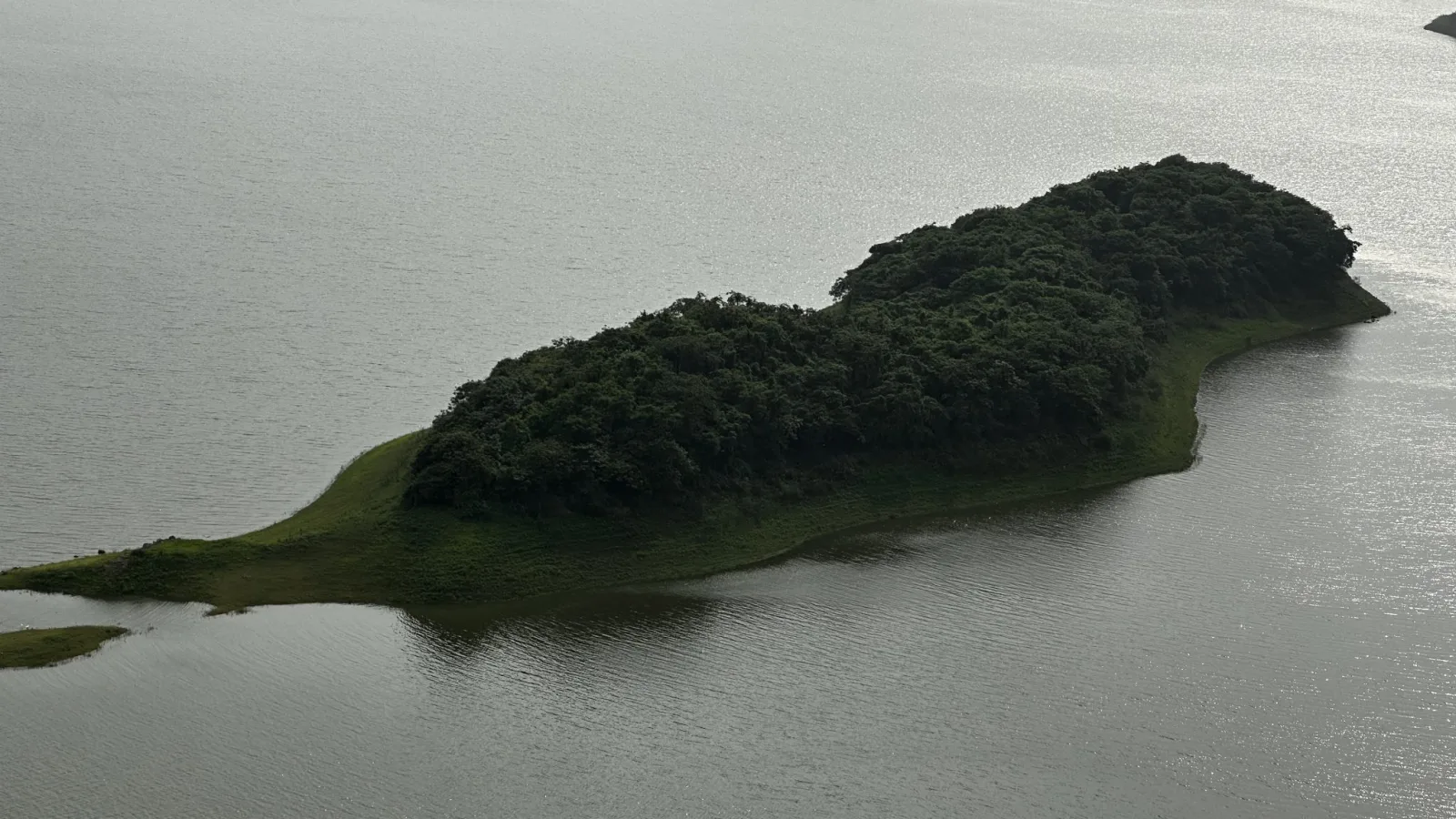
SINGAPORE – Pulau Tekong, an island primarily known for its military facilities, is being considered as the site for Singapore's third liquefied natural gas (LNG) terminal, along with new power generation technologies and electricity import capabilities.
Study of Potential Energy Hub
On October 6, the Energy Market Authority (EMA) announced its plans to evaluate the establishment of a 200-hectare energy infrastructure cluster on the island, situated off Singapore's northeastern coastline. This initiative aims to enhance the country's energy security and facilitate its shift toward more sustainable energy sources.
Growth in Energy Demand
The EMA highlighted that as the economy grows, so too will the demand for electricity in Singapore. Currently, the nation meets about 93% of its energy requirements through imported natural gas, a fossil fuel. The construction of the second LNG terminal at Jurong Port is already underway, with expectations for it to come online by the decade's end. The first terminal began operations in 2013 at Jurong Island.
Exploring Alternative Energy Sources
Aside from natural gas, Singapore is exploring cleaner energy avenues such as hydrogen and direct electricity imports from neighboring countries. To determine the feasibility of this new energy cluster, the EMA plans to hire a consultant by mid-2027 to create a master plan, expecting the assessment phase to last two years.
According to tender documents published on October 5, the study will explore the possibility of integrating up to 6 gigawatts of domestic power generation and an additional 2 gigawatts through electricity imports across three designated sea corridors. In comparison, Singapore's total electricity generation capacity is projected to reach around 13 gigawatts by the first half of 2025. Currently, there are 13 electricity import projects in development, totaling over 9 gigawatts, utilizing renewable sources from countries like Malaysia, Indonesia, Cambodia, Vietnam, and Australia.
Telecommunication Infrastructure
The study will also assess the potential to house nine to 15 undersea telecommunication cables along three to five corridors connecting to Pulau Tekong. The consultant will be tasked with formulating three different development scenarios regarding the energy mix, capacities, and timelines.
The analysis will incorporate a range of energy sources, including biomass and geothermal, along with the necessary technical, regulatory, environmental, and aviation considerations linked to this project.
Implications for Singapore's Energy Future
During a recent National Day Rally, Prime Minister Lawrence Wong suggested that around 500 hectares of land could be designated for civilian use on Pulau Tekong, with plans for further land reclamation at the southern part of the island. Studies are also in progress to evaluate the feasibility of constructing undersea tunnels to improve access to the island.
EMA’s chief executive, Puah Kok Keong, emphasized the importance of planning for future energy infrastructure to sustain Singapore’s development. The proposed energy cluster on Pulau Tekong could serve a crucial role in catering to the increasing energy needs.
A Multifunctional Energy Hub
Experts believe that if the project comes to fruition, Pulau Tekong could develop into a significant energy hub for the nation, potentially serving as a second major energy cluster after Jurong Island. Tan-Soo Jie Sheng, director at the Institute for Environment and Sustainability, noted that such diversity in energy sources enhances resilience, reducing reliance on a single type of fuel or supplier.
Moreover, the strategic location of Pulau Tekong could facilitate electricity imports from nearby regions, such as the Riau Islands in Indonesia. However, the plan for a third LNG terminal highlights that natural gas will likely remain vital in Singapore's energy framework for some time to come.
Tan-Soo added that increasing the capacity for natural gas can bolster energy security and provide flexibility in crises until greener alternatives become widely accessible. However, he also cautioned that this capacity should not lead to an over-reliance on high gas consumption for decades, as LNG investments are long-term.