SpaceX's Future: High Revenue Growth Meets Stock Valuation Challenges
Despite a 92% revenue increase, SpaceX's stock may struggle to gain due to its high valuation as it expands into AI.
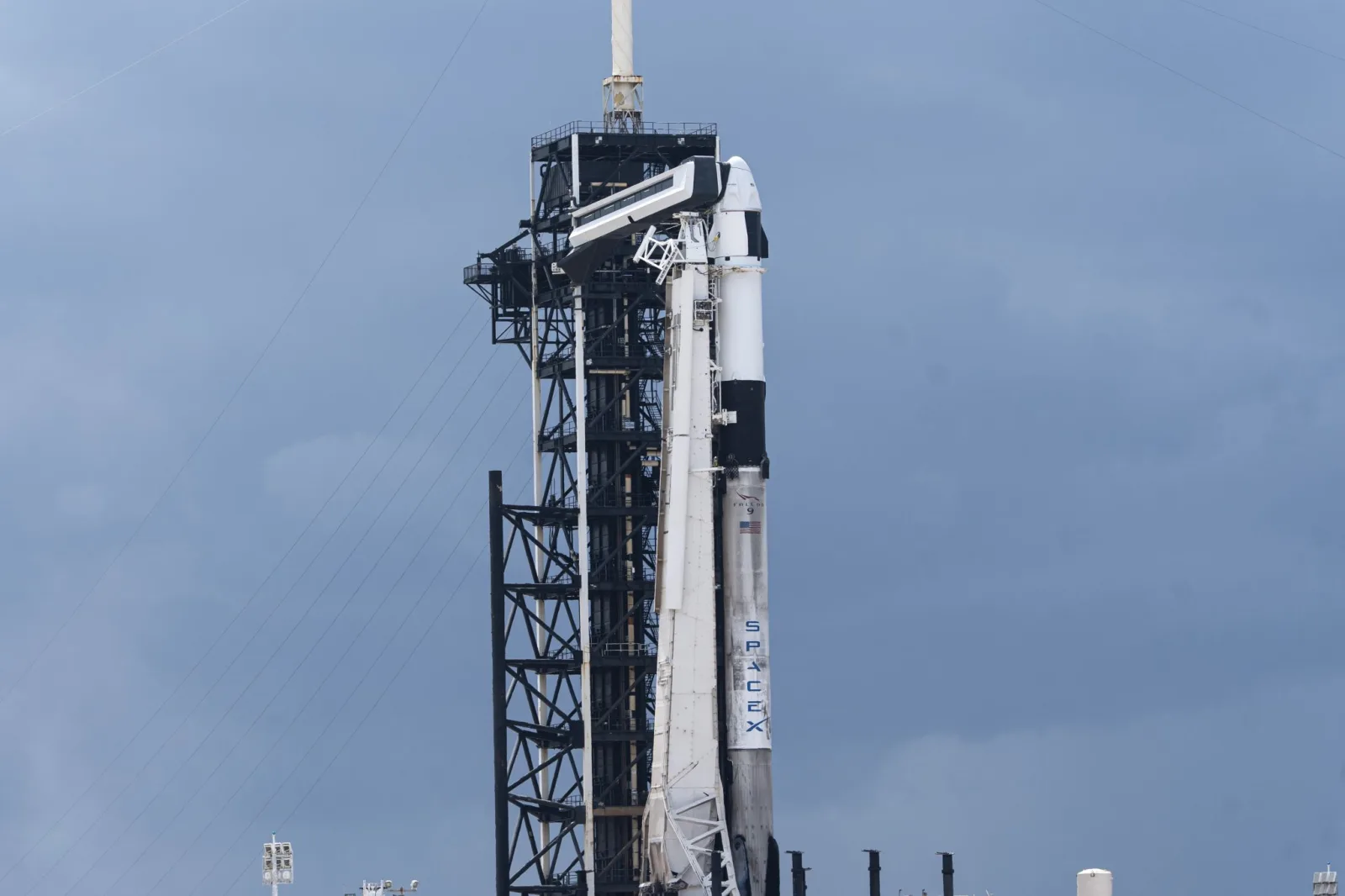
SpaceX's Historic IPO and Growth
In June, SpaceX, the space exploration and technology company founded by Elon Musk, made headlines with its initial public offering (IPO), setting a precedent by being valued at $1.77 trillion. This IPO is recorded as the largest ever in corporate stock market history, raising an impressive $75 billion to fuel its future ventures.
The funds from the IPO are particularly earmarked for expanding SpaceX's artificial intelligence (AI) initiatives alongside its satellite internet services. Despite this remarkable growth and business potential, experts warn that SpaceX's stock might experience limited gains through 2027.
Transforming the Space Industry
Traditionally, space exploration has been closely linked with government agencies like NASA. SpaceX stands out by demonstrating that private enterprises can achieve significant milestones. The company made history by becoming the first private entity to successfully return a rocket from low Earth orbit and to send astronauts to the International Space Station in 2020.
Operating with a profit-driven model, SpaceX emphasizes efficiency, cost reduction, and innovation. Its focus on reusability of rockets and superior design facilitates lower launch costs, providing it with a competitive edge against rivals.
Complementary Business Ventures
SpaceX's strategy includes vertical integration, allowing it to maintain control over various production and operational stages, reducing reliance on external suppliers. This control aids in cost management and improves coordination among its diverse business segments.
The rocket launch segment significantly contributes to SpaceX’s Starlink satellite internet service. By deploying numerous Starlink satellites via its own rockets, the company expands its internet service network while decreasing dependence on competitor launch services.
Additionally, SpaceX aims to produce more of its vital components, including rocket parts, satellites, power infrastructure, and computer chips. Self-manufacturing is intended to boost efficiency and maintain a competitive edge as the company broadens its operational scope.
Impressive Financial Growth Amid High Valuation
In the second quarter, SpaceX reported an impressive 92% year-over-year revenue growth, totaling $7.8 billion. Part of this growth comes from its AI sector, which saw a remarkable 213% increase, bringing in $2.56 billion.
Despite these gains, SpaceX faces the challenge of a staggering market capitalization estimated at $1.9 trillion, which poses difficulties for significant stock price increases. The price-to-sales (P/S) ratio currently stands at 68, establishing a high bar for future financial performance.
The company’s AI operations expanded through its merger with xAI, which was initiated by Musk. Despite its ambitious AI tools like the Grok model, competition with established providers like OpenAI remains tough.
Future Prospects and Cautions
SpaceX is venturing into innovative ideas, such as establishing data centers in space to harness abundant solar energy for AI workloads. This concept, still in its early stages, could provide new opportunities and support its AI and satellite initiatives if proven feasible.
Nonetheless, experts caution that the optimistic growth narratives surrounding SpaceX’s expansion may not necessarily reflect in its stock performance. Given the high valuation, any slowdown in growth expectations could lead to fewer stock gains. The Motley Fool suggests that investors may want to wait for more clarity and concrete developments before diving into the stock market at its current pricing levels.
While SpaceX continues to achieve rapid revenue growth and solidify its AI business, the challenges posed by its high market valuation could constrict stock performance through to 2027.