Swedish Winemakers Thrive Amid Climate Change Challenges
As Europe faces wine production issues, Swedish vineyards celebrate a promising harvest thanks to changing climates.
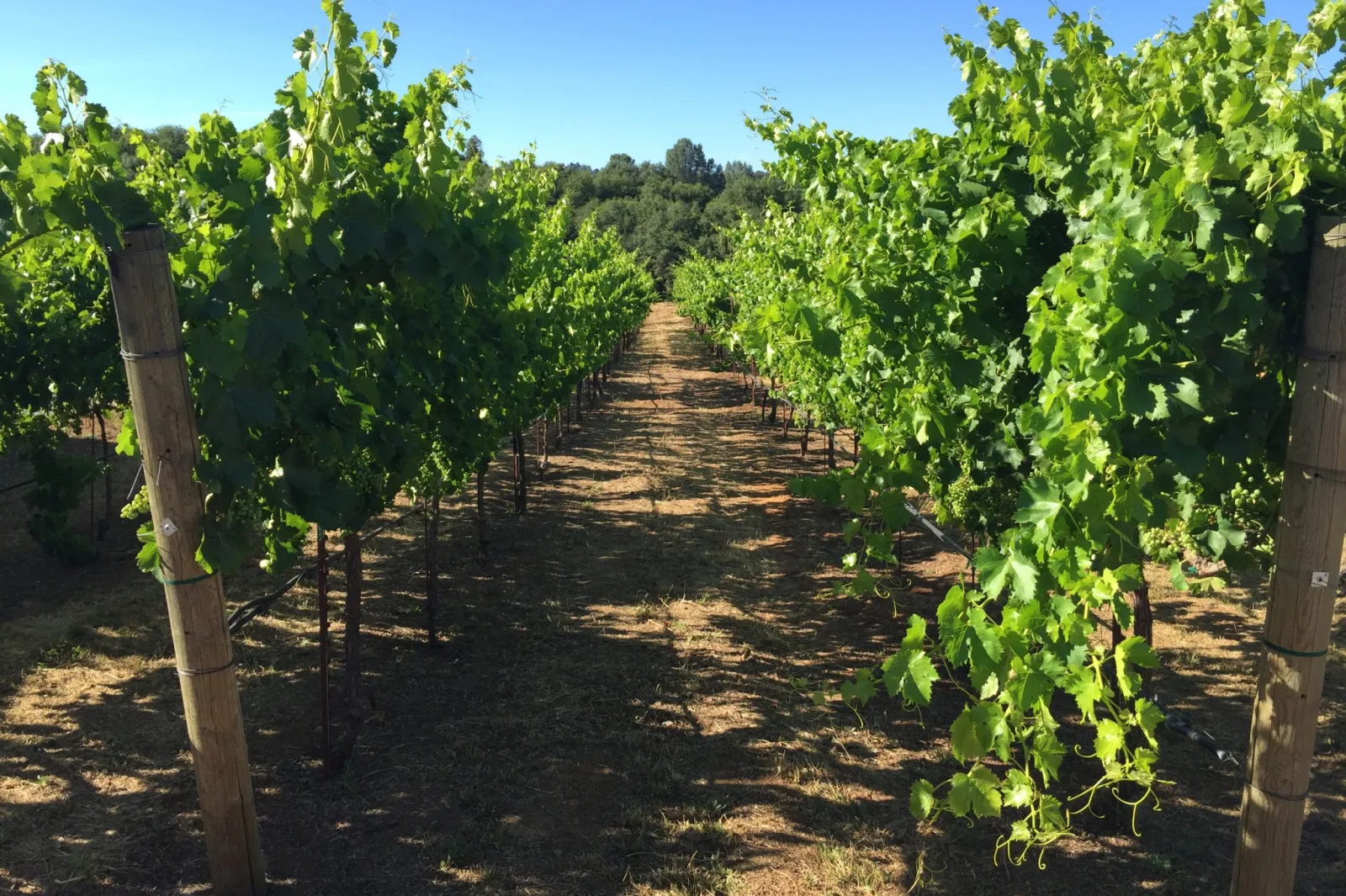
Swedish Vineyards Celebrate an Unlikely Boom
This year's record high temperatures across Europe have led to earlier grape harvesting than usual, creating challenges for many traditional wine-producing regions. Particularly, French vineyards fear this could result in their worst harvest in three decades.
A New Era for Northern Wine
In contrast, winemakers in Southern Sweden are excited about their grape yields. Among them is the Astad Vineyard, where vineyard manager Nils Mellbin reflects on how milder winters and warmer summers have positively influenced grape ripening.
Klagshamn, where Astad Vineyard is located, sits at latitudes significantly higher than France's Champagne region, leading to an unprecedented opportunity for Swedish wineries.
“On average, we experience warmer weather. This leads to a longer growing season, making grape ripening easier,” says Mellbin.
Though the changing climate brings its share of challenges—like extreme weather, hail, and rain—Mellbin remains optimistic about their unique grape varietals, such as Solaris, which thrive in cooler climates and are not grown in more traditional regions.
Tasting the Local Flavor
During a tasting session, Mellbin notes that the Solaris grape offers sweet, tropical notes—a characteristic that may astonish even seasoned palates.
“It needs a shorter growing season to ripen well, making it ideal for our climate,” he explains.
Meanwhile, in Northern France, producers are feeling the pressure of the changing climate. With the harvest occurring earlier each year and crop yields reportedly dropping by about 30% due to adverse weather conditions, winemakers there are facing a grim reality.
Growing Interest and Regional Recognition
In the wake of these shifts, Swedish wineries are stepping into the spotlight. The Astad Vineyard, for instance, aims to expand significantly, projecting an output increase from 20,000 bottles last year to a staggering 70,000 this year.
Winemaker Claes Bartoldsson is confident in the quality of his wine, stating, “It’s the purest juice we can achieve, and we can’t wait to see how it develops.”
The potential of Swedish wines has gained notable recognition since a local vintage was served at last December’s Nobel Prize banquet, further affirming that Swedish winemaking is coming of age.
Challenges Ahead: Regulations and Market Reach
Despite growing success, the Swedish wine industry faces constraints due to an alcohol monopoly that regulates sales and limits availability. Murat Sofrakis, a neighboring vineyard owner, explains the intricacies of the current system, which restricts casual wine purchases and emphasizes a more controlled approach to alcohol consumption.
“Visitors must pay for tours, and after spending time learning about our wines, they can purchase very limited quantities,” he says.
Despite these hurdles, the unique attributes of Swedish wines are being heralded by experts. Sommelier Karin Ericson praises their distinct aromatics, hinting at a sophisticated future for local vintages.
The Future Shaped by Climate
As Sweden enters this promising wine-growing phase, there is cautious optimism about potential new successes while continuing to navigate the complexities posed by climate change. The Swedish wine industry hopes to carve out its niche, showcasing wines renowned for their quality and distinctiveness.
For now, winemakers like Mellbin and Bartoldsson are focusing on sustainability and quality, embracing the belief that good fortune could unearth a new era of winemaking in the region.