The Impact of Politics on American Religious Affiliation
A look into how political divisions are influencing religious affiliations in the U.S.
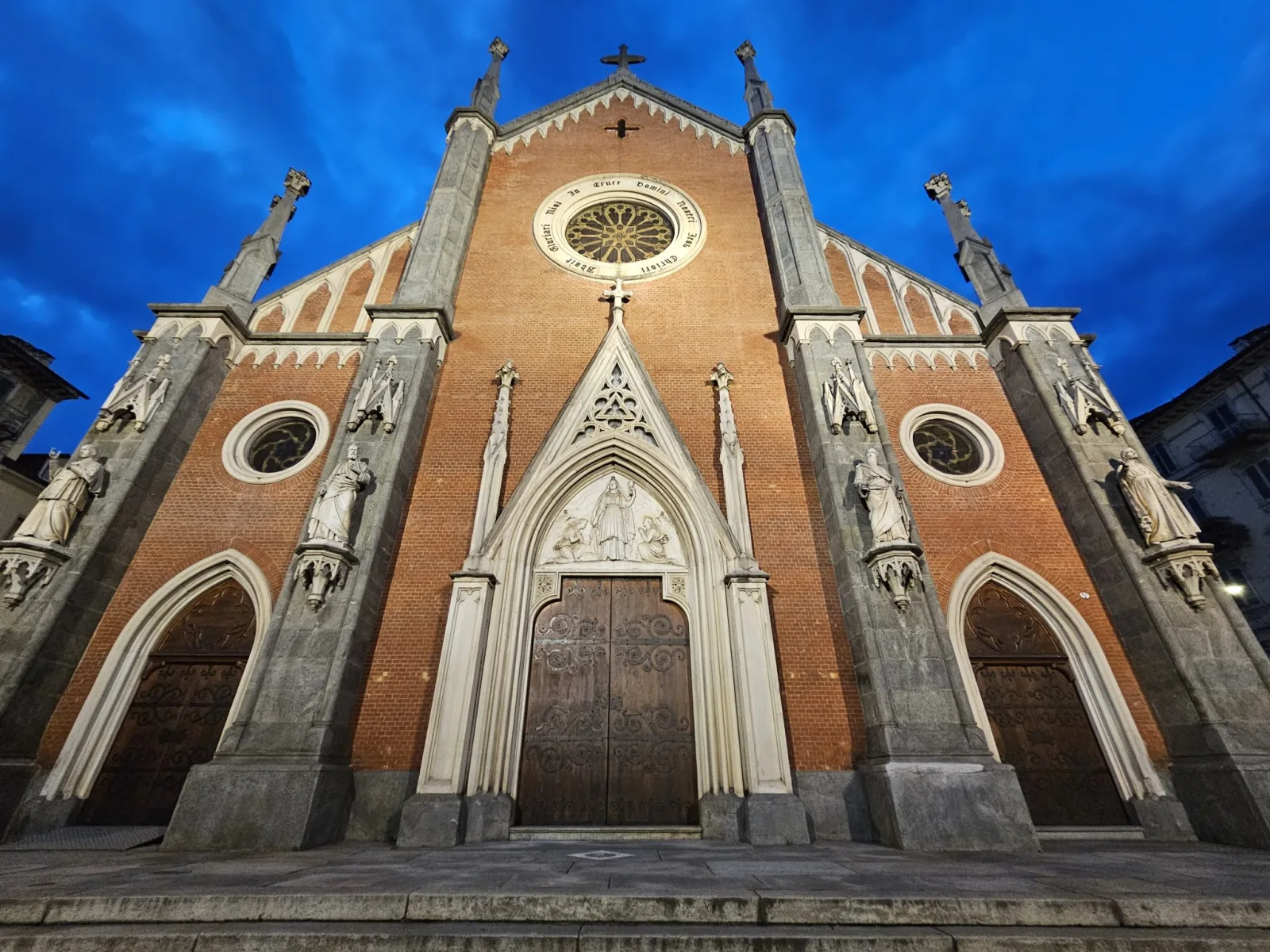
Political scientists have long observed a notable divide in American voting patterns often referred to as the "God gap." This phenomenon indicates that white Americans who actively participate in religious services are more inclined to support Republican candidates, while those who identify as secular or nonreligious tend to favor Democratic candidates.
The 2026 Midterm Election Insights
According to new data from the Pew Research Center concerning the 2026 midterm elections, registered voters who identify as white evangelical Protestants and white Catholics have demonstrated a clear preference for Republican candidates in the U.S. House of Representatives. Meanwhile, other religious groups are either split or leaning toward Democratic options.
Religious Views Versus Political Views
For many years, the existence of the “God gap” has bolstered the notion that religious beliefs can significantly influence political affiliations. However, some researchers propose that the effects may be reversed, suggesting that an individual's political beliefs might actually shape their religious associations. This shift in dynamics could potentially have detrimental effects on both the political landscape and religious communities in the U.S.
David Campbell, a professor of American democracy at the University of Notre Dame, remarked on this trend, stating, “Historically in the United States, religious leaders have always been involved in politics. That is nothing new. What is different today is that their involvement is so explicitly partisan.”
The Consequences of Political Polarization
Campbell further expressed concerns that when political ideologies become intertwined with religious identities, it might lead to a decrease in community within religious groups. Members often gravitate toward congregations that reflect their political beliefs, which creates a divide where people of different political affiliations no longer gather in shared spaces.
“When you have a politically mixed congregation, it means you’ve got Republicans and Democrats working together on community efforts like homeless shelters or soup kitchens,” Campbell noted. “But as people separate, these efforts are diminished. Republicans are attending one church and Democrats are attending another, which leads to the loss of shared initiatives and experiences.”
Secularization and the Decline of Religious Affiliation
In addition to fracturing religious communities, political partisanship within religious settings may contribute to a rise in secularization, with more individuals identifying as having no religious affiliation. Campbell cites this political influence as a primary reason behind the growing number of people distancing themselves from organized religion.
The Positive Aspects of Political Engagement
Despite these challenges, Campbell acknowledges that the intersection of religion and politics isn't entirely negative. “It’s beneficial, in many ways, to have leaders with moral perspectives encouraging their congregants to participate in voting and civic responsibilities,” he said. “Encouraging greater political engagement from the pulpit can be quite positive.”
However, he cautions that the issue arises when political discourse becomes polarizing. Leaders who incite conflict against a particular party can exacerbate the growing divides among the populace.
Future Predictions on the God Gap
Looking ahead, Campbell predicts that the trend of the “God gap” will likely persist in American politics. Nevertheless, he remains hopeful that voter behaviors might evolve towards a more distinct separation between politics and religious practice, potentially reducing the impact of the “God gap.”
“The interesting thing about politics is that it’s always changing,” Campbell concluded. “Nothing remains constant.”